Last updated on October 26th, 2025 at 11:45 pm
Losing a tooth can feel like you’ve lost more than just enamel. Eating gets tricky, smiling feels forced, and suddenly you’re thinking twice before ordering corn on the cob. Modern dentistry has plenty of fixes, but one stands out from the crowd: dental implants. They’re not a fad, they’re not a quick patch—they’re the long-term solution dentists keep coming back to.
What exactly is a dental implant?
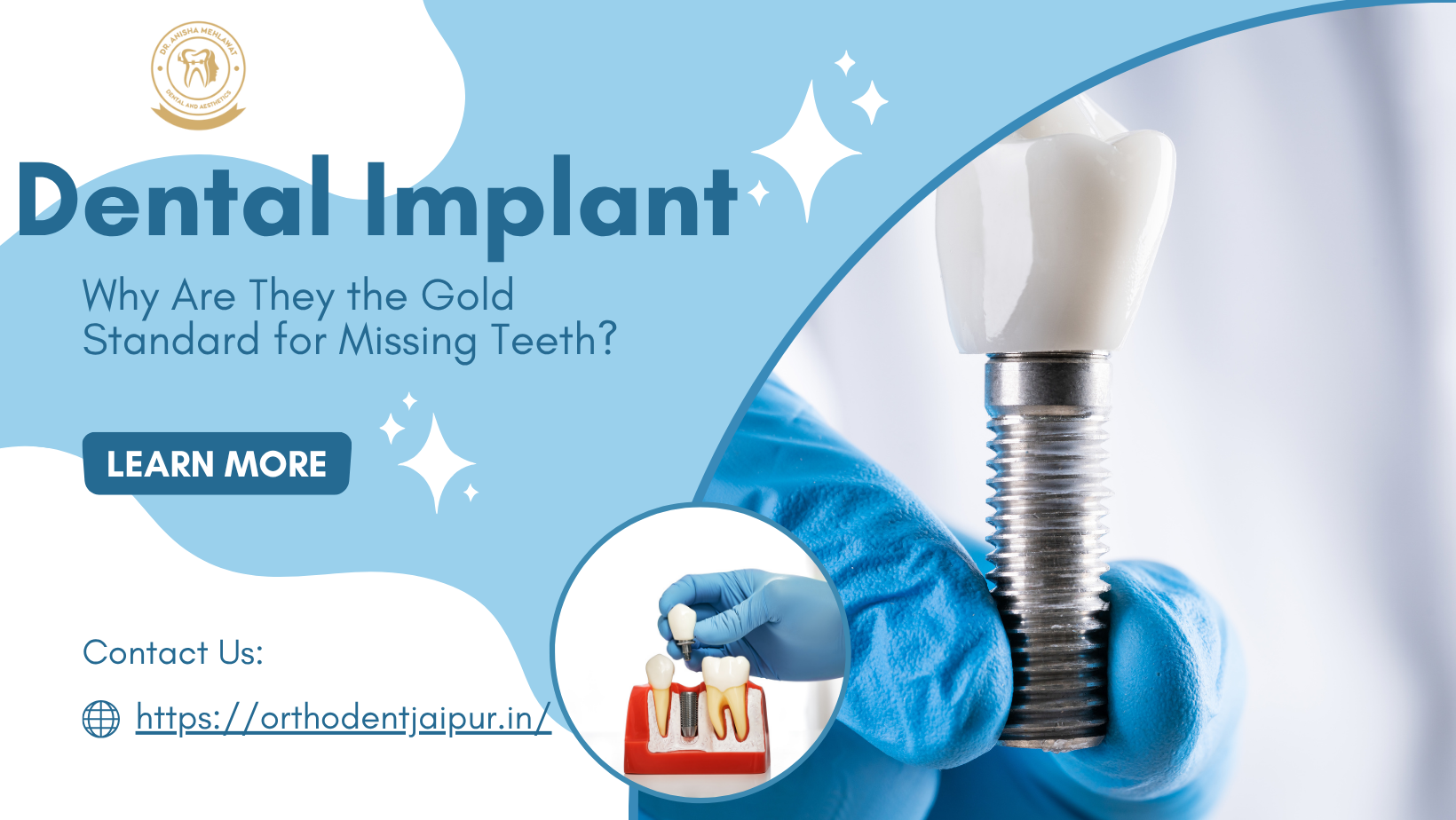
A dental implant is a small titanium post that’s surgically placed into the jawbone. Over time, the bone fuses with the metal in a process called osseointegration. That’s not marketing jargon, it’s biology. Once healed, a crown (the visible tooth) is attached to the post. The result looks and functions like a natural tooth. No adhesives, no wires, no slipping around at dinner.
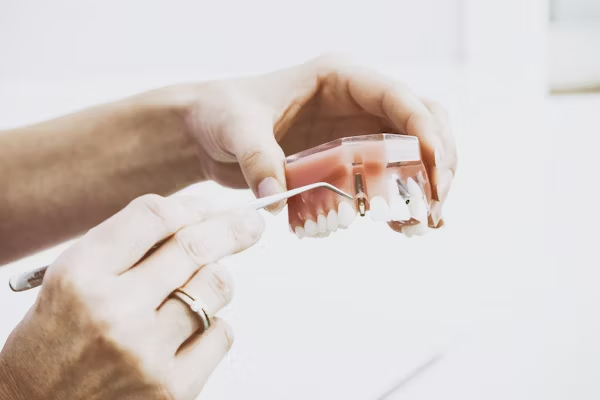
And here’s the kicker: titanium isn’t just chosen at random. It’s biocompatible, meaning your body doesn’t reject it. This is the same material surgeons use in hip replacements and bone plates. So yes, you’re basically getting hospital-grade hardware in your mouth.
Why not dentures or bridges?
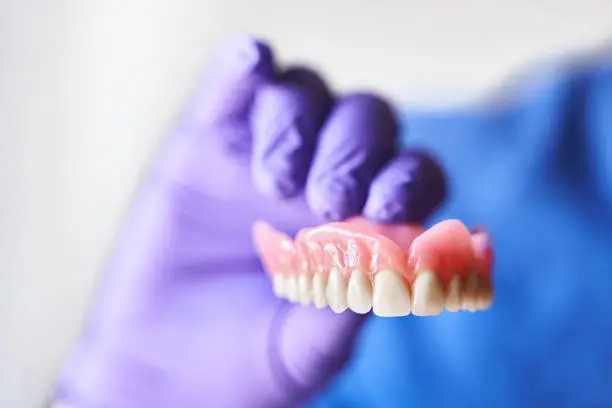
Let’s face it, dentures can feel like wearing shoes two sizes too big. They slide, they click, and they need to be removed for cleaning. Bridges, on the other hand, require grinding down healthy teeth on either side of the gap. It’s like cutting into two perfectly good walls just to hang a picture frame.
Implants skip all that. They stand independently, don’t rely on neighbouring teeth, and most importantly, they help keep the jawbone healthy.
The jawbone connection (and why it matters)
Here’s a fact many people miss: when you lose a tooth, the bone that used to support it begins to shrink. This process is called bone resorption. Over time, it can change the shape of your face, leading to that “sunken” look. Dentures and bridges do nothing to stop this. Implants, however, stimulate the bone the way natural tooth roots do, keeping it strong.
This isn’t just cosmetic. Bone loss can also affect how other teeth sit in your mouth, potentially leading to more dental issues down the line. So, implants aren’t just filling a gap—they’re protecting the foundation.
Pain, recovery, and success rates
People often ask, “Does it hurt?” The truth: most patients describe implant surgery as less painful than having a tooth pulled. Local anaesthesia is used, and sometimes sedation if you’re especially anxious. Discomfort is usually mild and manageable with over-the-counter pain relief.
Healing time depends on the patient, but full integration typically takes 3 to 6 months. That might sound like forever, but remember you’re getting a tooth designed to last decades.
And success rates? According to the American Academy of Implant Dentistry, dental implants boast a success rate of over 95% when placed by trained professionals. That’s about as close to a sure thing as dentistry gets.
Are there limits?
Yes. Not everyone is an automatic candidate. If you’ve got uncontrolled diabetes, severe gum disease, or significant bone loss, extra steps may be needed before implants are possible. Sometimes that means a bone graft. Sometimes it means working closely with a periodontist. Either way, the evaluation is thorough before anyone starts drilling.
Cost vs. value
Yes, implants cost more upfront than dentures or bridges. But think long-term. Bridges typically last 10–15 years. Dentures need relining or replacing as the jawbone changes. Implants? With good care, they can last a lifetime. Spread the cost across 20 or 30 years, and suddenly they’re not the “expensive option” they’re the smart one.
Life after implants
Once healed, most people forget they even have an implant. You can eat apples, nuts, steak, popcorn, basically anything you enjoyed before. You brush and floss them like normal teeth. No special cleaning jars on your nightstand, no awkward moments at family dinners.
The bottom line
Dental implants aren’t just another dental procedure. They’re the closest thing we have to getting your natural teeth back. They restore chewing, protect your jawbone, and keep your smile looking natural for decades. That’s why dentists call them the gold standard. Not because it sounds impressive, but because the science backs it up.
Book a personalised orthodontic consultation with Dr. Anisha Mehlawat in Jaipur for expert care for invisible braces, braces, and implants. During your visit, you’ll receive a clear treatment plan, an estimate for invisible braces cost in Jaipur, and a recommended timeline tailored to your case.
0 Comments