Last updated on November 20th, 2025 at 10:34 pm
You brush. You floss. You skip sweets (most of the time). Yet somehow, your teeth still decide to dim the lights. If you’ve ever wondered why your once-bright smile looks a shade darker, you’re not alone. Tooth discoloration happens to nearly everyone at some point. It’s not always a sign of poor hygiene sometimes it’s just your teeth telling the story of your habits, your age, and even your health.
Let’s unpack what really goes on behind that fading sparkle and more importantly, what you can do to bring it back.
What Tooth Discoloration Really Means
Tooth discoloration isn’t one single thing. It’s a broad term for changes in how your teeth reflect light. Some stains live right on the surface, others sit deep inside. Understanding which type you have makes all the difference in how you treat it.
Dentists usually classify it into two types: extrinsic and intrinsic.
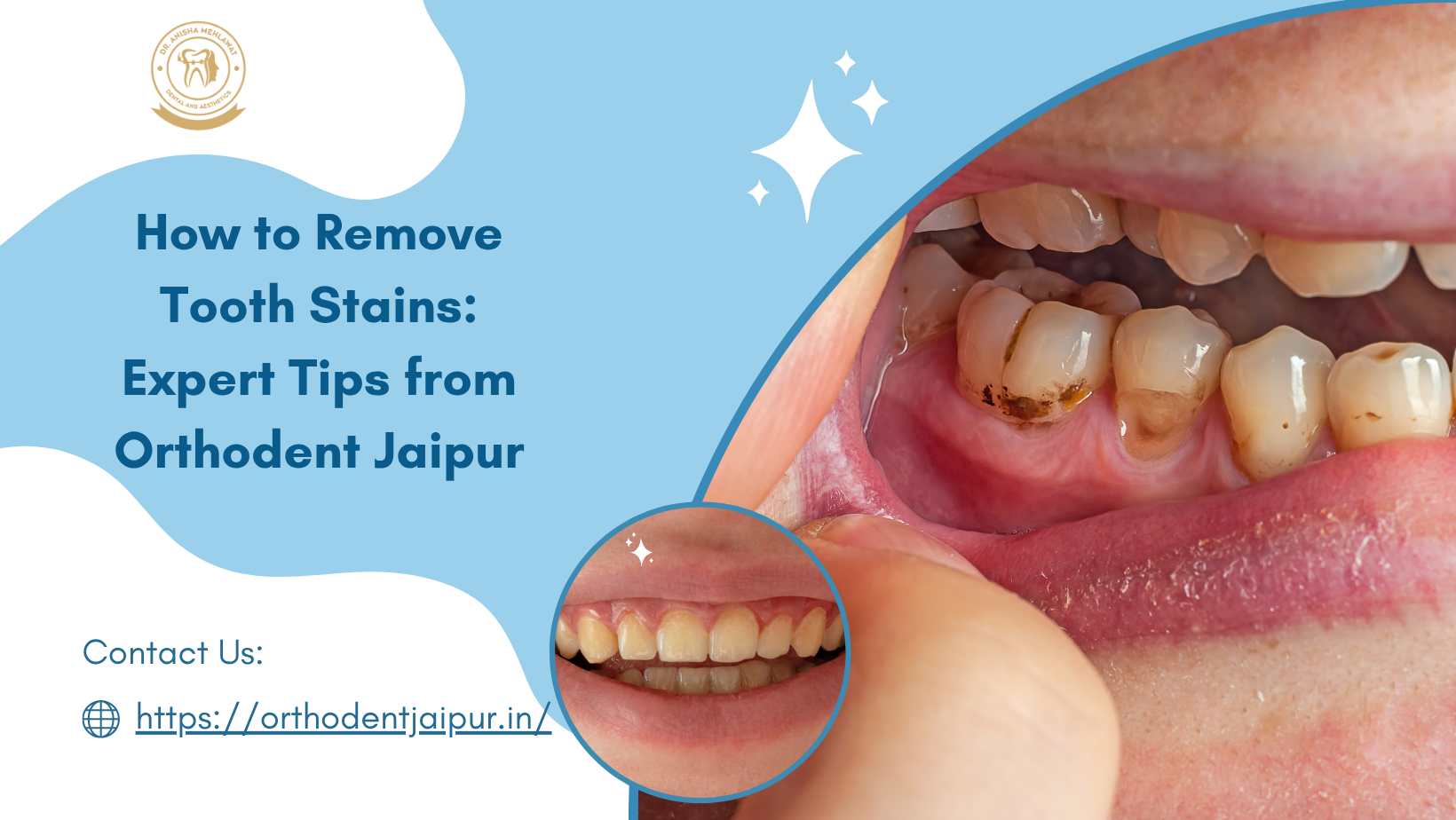
Extrinsic stains affect the outer enamel. These are the usual suspects — coffee, tea, red wine, cola, tobacco, and certain foods like berries or curry. They leave pigment molecules on the enamel surface that gradually build up, dulling your smile.
Intrinsic stains, on the other hand, come from within the tooth. These can result from medication (like tetracycline during tooth development), trauma, excessive fluoride exposure, or simply aging. Since they’re beneath the enamel, they don’t respond to over-the-counter whitening products.
And then there’s the combination of both — the double whammy most adults face as the years go by.
Everyday Culprits You Didn’t Know Were Staining Your Teeth
You might be shocked to know how many of your daily favorites quietly sabotage your smile.
- Coffee & Tea: These drinks are loaded with tannins — compounds that cause color to stick to enamel. Black tea, in particular, is a pro-level stainer.
- Red Wine: A perfect storm of acids, chromogens, and tannins. You may call it your evening ritual; your enamel calls it a challenge.
- Smoking or Chewing Tobacco: Besides the health risks, nicotine and tar cling to teeth like glue. They can turn enamel anywhere from yellow to deep brown.
- Soft Drinks & Energy Drinks: These aren’t just sugary — their acidity eats away enamel, making stains easier to attach.
- Certain Foods: Tomato sauce, soy sauce, beets, and even some spices can tint your teeth over time.
- Poor Oral Hygiene: Skipping brushing and flossing lets plaque and tartar build up — a perfect canvas for stains.
And while we’re at it, brushing too hard isn’t a fix. In fact, it can wear enamel down, exposing more of the naturally yellow dentin underneath.
How Aging Changes the Color of Your Smile
You can thank time for part of this, too. With age, enamel naturally wears thinner. Dentin — the layer beneath it — is darker and yellower. As it shows through, your smile appears less bright.
On top of that, enamel becomes more porous over time, making it easier for pigments to settle in. It’s the same reason old white shirts never quite look the same, no matter how many times you wash them.
Add a lifetime of morning coffees and weekend wines, and your teeth have had quite the color journey.
Medical and Genetic Factors That Play a Role
Sometimes, the cause runs deeper than lifestyle. Certain illnesses and medical treatments can affect enamel formation and shade. For example:
- Fluorosis — too much fluoride during early tooth development can cause white or brown mottled patches.
- Tetracycline staining — if taken by children while teeth are forming, it can cause deep grey or brown discoloration that resists whitening.
- Trauma — an injured tooth can darken over time as blood or tissue inside it breaks down.
- Genetics — some people are simply born with slightly yellower or thicker dentin.
In these cases, whitening treatments might need to be customized by a dentist rather than done at home.
The Science Behind the Shade
Teeth are naturally not pure white. The outer enamel is translucent, and what you see depends on the color of the dentin beneath it. As enamel thins, dentin shows through more vividly.
Pigments from coffee, wine, or tobacco can bind to proteins in the enamel. Over time, they create micro-layers of discoloration. Combine that with microscopic cracks in enamel (common with age), and it’s easy to see why your teeth might not look as bright as they used to.
Think of it as your teeth acting like a sponge for everything you’ve enjoyed — just not the kind you can easily wring out.
Treatment Options That Actually Work
The good news? You’ve got plenty of ways to brighten things up again.
1. Professional Cleaning
Regular dental cleanings remove surface stains, plaque, and tartar that brushing alone can’t. It’s often enough to restore some brightness.
2. In-Office Whitening
If your teeth are dull from extrinsic stains, in-office whitening treatments deliver fast, visible results in just one session. They use professional-grade agents that are safe under supervision and far more effective than drugstore options.
3. Take-Home Whitening Trays
Custom trays, made by your dentist, let you whiten gradually at home. The gels are less concentrated than in-office treatments but more effective than over-the-counter kits.
4. Veneers or Bonding
For deep intrinsic stains that whitening can’t fix, veneers or composite bonding can completely transform your smile. They cover the tooth surface, giving you control over both color and shape.
Avoid “DIY” hacks like brushing with lemon juice or charcoal powder. They might promise quick results, but often end up stripping your enamel or irritating your gums.
Smart Habits to Keep Your Teeth Bright
Once you’ve whitened your teeth, the real challenge is maintaining that brightness. Here’s how to make your results last longer:
- Brush twice daily using fluoride toothpaste.
- Floss daily to remove stain-causing plaque.
- Limit pigmented foods and drinks.
- Rinse with water after consuming coffee or wine.
- Use a straw for colored beverages.
- Avoid smoking.
- Schedule dental cleanings every six months.
Also, don’t underestimate the power of water. Rinsing right after your morning latte is one of the easiest (and cheapest) stain-prevention tricks.
When to See a Dentist About Discoloration
If you’ve noticed a sudden change in tooth color — or if one tooth seems to be darkening faster than the others — it’s time to stop guessing and get it checked. While stains from coffee or curry are harmless enough, discoloration caused by decay, trauma, or weakened enamel needs professional attention before it spreads.
That’s where Dr. Anisha Mehlawat and her team at Orthodent Dental Care, Jaipur, step in. Known for her precision and gentle approach, Dr. Mehlawat doesn’t believe in quick fixes — she believes in lasting smiles. Using advanced diagnostic tools and years of orthodontic and cosmetic expertise, she identifies the root cause of discoloration rather than simply masking it.
Whether your teeth need a professional cleaning, whitening, or something more specialized like veneers or aligner-based correction, every plan at Orthodent is designed around you. Dr. Mehlawat combines clinical accuracy with aesthetic insight — meaning you don’t just leave with cleaner teeth; you leave with renewed confidence.
So, if your smile has lost its sparkle or you’re tired of filters doing the job your teeth used to, schedule a visit. Orthodent Jaipur can help you rediscover the natural brightness of your teeth and the self-assurance that comes with it — because everyone deserves to smile without hesitation.

0 Comments